






Joy Bauer:
JoyBauer.com Life is hard. Food should be easy!
 
Mood | Skin | Memory | Sample Recipe | Sample Exercise | Inner Skinny

Joy's Health Library

Lowering Your Cholesterol Through Diet

The first time a doctor tells you that your cholesterol levels are high, it's often with a vague reference to lowering them through diet. What does that mean, exactly? Here are the three foods to avoid — and the three to boost — as the first step in your cholesterol-busting strategy.

By Joy Bauer

The first step to lowering cholesterol is to eliminate (or at least drastically limit) foods that contain saturated fats and trans fats. You’ll also want to keep an eye on the amount of dietary cholesterol you’re taking in.

Cholesterol No-No's: Foods to Limit or Avoid

Saturated fats
Saturated fats are found in animal-based foods, including marbled meats, butter, whole-milk dairy products (including yogurt, cheese, and ice cream), and poultry skin. They are also found in some high-fat plant foods, including palm and coconut oils. The Nurses’ Health Study, which included more than 80,000 participants, showed that saturated fats increase the risk of coronary-artery disease. Numerous studies have also shown that you can significantly lower LDL-cholesterol (that’s the bad cholesterol) by reducing saturated fat in the diet.


Trans fats
Trans fats were developed in a laboratory to improve the shelf life of processed foods — and they do. But, calorie for calorie, trans fats are even more dangerous than saturated fats because they increase the bad cholesterol and lower the good cholesterol. Most stick margarines contain trans fats, and trans fats are also found in many packaged baked goods, potato chips, snack foods, fried foods, and fast food that use or create “hydrogenated oils.” When purchasing margarine spreads, snack foods, and other items, check the Nutrition Facts panel to ensure that the label lists 0 g trans fat. Since foods that contain less than 0.5 g of trans fat are legally permitted to list 0 g on the label, you’ll also want to scan the ingredients list to make sure the product does not contained any “partially hydrogenated” or “hydrogenated” oils. There is no safe amount of trans fats, so try to keep them as far from your plate as possible.

Cholesterol-rich foods
Years ago, doctors used to recommend that people with heart disease avoid all high-cholesterol foods. But it turns out that dietary cholesterol does much less harm than saturated fats and trans fats do. Research into the effects of dietary cholesterol have been mixed, which is not surprising — different people have different susceptibilities. Still, if you want to take a firm hand to reduce your risk factors, you may want to consider cutting down on all high-cholesterol foods, including egg yolks, shellfish, liver, and other organ meats like sweetbreads and foie gras.


Heart-Healthy Choices: The Good Foods
Lowering your cholesterol levels is not just about what to avoid. There are also good, positive choices you can make — cholesterol-fighting foods that can help you reduce your risk of heart disease. Here’s the scoop on soluble fiber, heart-healthy fats, and plant sterols.


Soluble Fiber
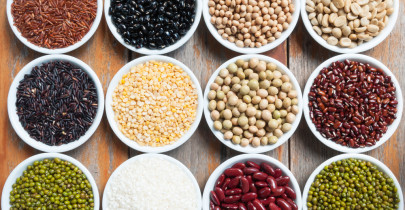
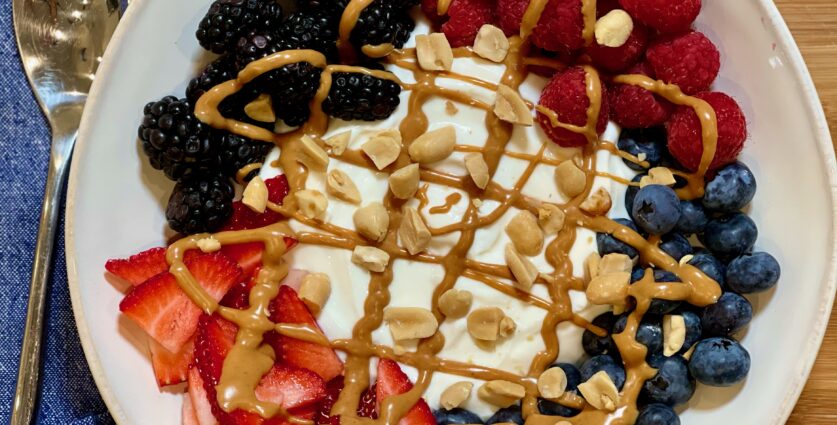
Wouldn't it be great if there were something that could grab onto cholesterol and escort it right through your digestive system and out of your body? Well, there is! Soluble fiber does just that and may reduce the intestinal absorption of cholesterol. Research has shown that eating an additional five to ten grams of soluble fiber a day can reduce LDL cholesterol by three to five percent. If you eat a few foods rich in soluble fiber every day, you’ll get at least five grams. It is a small improvement, but every percentage point counts! Some of the best soluble-fiber-rich foods include oatmeal, barley, lentils, brussels sprout, peas, beans (kidney, lima, black, navy, pinto), apples, blackberries, pears, raisins, oranges, grapefruit, dates, figs, prunes, apricots, broccoli, and sweet potatoes.

Healthy Fats: Omega 3's and Monounsaturated Fats
There was a time when heart researchers slapped the same label — “BAD” — on every kind of fat. Now, we know that trans fats and saturated fats are incredibly dangerous for cardiovascular health, but omega-3 fats and monounsaturated fats are actually good for your heart.

Omega 3's
Heart-healthy fish oils are especially rich in omega-3 fatty acids, and although we don’t yet know why fish oil works so well, there are several possibilities. Omega-3’s seem to reduce inflammation (see Anti-Inflammatory Foods), reduce high blood pressure, decrease triglycerides, help to make blood thinner and less sticky so it is less likely to clot, plus raise HDL cholesterol (that’s the good cholesterol)! So omega-3’s affect nearly every risk factor for heart disease. I recommend eating at least three servings (four-ounce portions) of omega-3-rich fish every week — fish like wild salmon, sardines, anchovies, and mackerel (not king mackerel, though). If you cannot manage to eat that much fatty fish, incorporate omega-3 fortified eggs and additional plant-based sources like walnuts, soybeans, and ground flax. Also, consider taking fish-oil capsules.

Monounsaturated fats
Scientists discovered the benefits of monounsaturated fats, mainly found in olive oil, by observing Mediterranean populations. They use olive oil more than any other form of fat and typically have low rates of coronary-artery disease. Research shows it doesn’t help to just add monounsaturated fats to your diet — you need to replace some of the unhealthy fats that are already in your diet (all those saturated and trans fats mentioned earlier). There is evidence that substituting olive oil for saturated fat and low-quality refined carbohydrates can lower LDL-cholesterol (the bad stuff) and increase HDL-cholesterol (good). Best foods for monounsaturated fats include olive oil and olives, canola oil,avocado, nuts, and nut butters.

Plant Sterols or Stanols
Sterols and stanols are natural substances found in small amounts in the cell membrane of plants, including fruits, vegetables, legumes, nuts, and seeds. Sterols are found in relatively high amounts in pistachio nuts, sunflower seeds, sesame seeds, and wheat germ.

Sterols and stanols have a structure similar to cholesterol, and they compete with cholesterol for access to receptors in the small intestines. Imagine 15 people all hoping to get a ride in their friend’s Volkswagen Beetle — not everyone is going to be riding in the car. Sterols/stanols compete with cholesterol, effectively blocking its access. Research has shown that sterols and stanols have been shown to cut the amount of cholesterol absorbed by the small intestines by about 50 percent, and they can reduce LDL (bad) cholesterol levels by between five and 14 percent.

You can reap these cardiovascular benefits with just two grams of sterol/stanols per day; however, it’s difficult to get that much if you rely on fruits and vegetables alone. That being said, if you have elevated cholesterol, speak with your doctor or a registered dietitian about incorporating foods rich in plant sterols/stanols (like soft tub margarine spreads fortified with them) and over-the-counter supplements into your daily regimen.

Of course, dietary choices are not the only solution to high cholesterol levels. Your doctor may choose to prescribe cholesterol-lowering medications because you have a genetic predisposition or because it’s not safe to wait for dietary changes to take effect. However, changes to your diet and physical-activity level in conjunction with prescription meds can work synergistically to have an even greater impact on your cholesterol levels. Plus, by decreasing saturated and trans fats and boosting your intake of soluble fiber and heart-healthy fats, you’ll improve your overall health, not just your cholesterol profile. Don’t forget to speak with your doctor before starting a new diet or exercise plan or adding any new supplements to your regime.

Get More Out of LIFE!
Height:  ft   in
Weight:  lbs
Goal Weight:  lbs
Your Age:  years        Gender:
     
E-mail:
 
 
We'll send a special follow-up e-mail. Privacy Policy
Advertisement
Sign up for Joy's Newsletters - FREE!

Enter e-mail:

Everyday Health Network